How to Clean and Protect VR Lenses in Pakistan: Complete Care Guide
Pakistani Climate Risks for VR Lenses
Pakistan’s diverse climate creates several hazards that VR owners in more temperate countries rarely encounter. Understanding these risks is the first step to protecting your headset investment — a replacement lens for Meta Quest 3 costs $80–120 USD (approximately PKR 22,000–33,000), and a full headset replacement runs PKR 60,000–90,000. Prevention is dramatically cheaper than repair.
The four main climate threats Pakistani VR owners face are:
- Dust: Fine dust particles are abrasive. Even gentle wiping with a dusty cloth scratches lens coatings over time. Cities like Lahore, Multan, and Karachi experience significant dust levels, especially during summer months and pre-monsoon wind storms.
- Humidity: Coastal cities (Karachi, Gwadar) and the monsoon season across the country bring high humidity that can degrade lens anti-reflection coatings and promote fungal growth inside the headset. Humidity above 80% sustained over weeks damages optical coatings.
- Extreme Heat: Summer temperatures in Punjab and Sindh regularly exceed 45°C outdoors and can reach 70–80°C inside parked vehicles. Lens plastic can warp, adhesives holding coatings can fail, and foam facemasks deteriorate rapidly in sustained heat above 50°C.
- Sunlight: This is the most severe and immediate danger. Direct sunlight through VR lenses acts as a magnifying glass and can burn the display panel within 2–3 seconds. This damage is permanent and irreversible. It is the single most common catastrophic VR headset failure in Pakistan where users leave headsets near windows.
For more on setting up your VR space correctly in Pakistani conditions, see our VR setup guide for Pakistan. For general storage advice, read our VR storage tips for Pakistan. For battery preservation in heat, check our VR battery life tips.
Sunlight Danger — The Most Common Lens Killer in Pakistan
This deserves its own section because it is the most misunderstood risk. VR lenses are convex and function exactly like a magnifying glass. When sunlight enters the eye hole of the headset, the lens focuses it into a concentrated point on the LCD or OLED display panel directly behind it. The focused sunlight generates intense heat at a single spot on the display.
The damage timeline in Pakistani sunlight (which is more intense than European sun) is:
- 2–5 seconds: First burn marks appear on the display — faint discolouration visible as a bright spot when the headset is on
- 10–30 seconds: Permanent circular burn marks, dead pixels, or a persistent bright halo in the centre of the display
- 60+ seconds: Severe display damage — the burned area becomes a permanently visible white or yellow patch in everything you see
This damage cannot be repaired without replacing the entire display panel, which is not a consumer-replaceable part and costs nearly as much as a used headset. The rule is simple: if you are not wearing the headset, the lens cover is on. Always. No exceptions. If you do not have a lens cover, place the headset face-down on a clean surface or keep it in its case.
Pakistani homes with open windows during the day are particularly hazardous. A headset placed on a shelf near a window may be fine in the morning and destroyed by 11 AM when the sun angle changes. Never leave a VR headset in any location where sunlight could reach it at any angle throughout the day.
Correct Cleaning Materials and Method
The correct way to clean VR lenses in Pakistan requires understanding that lens coatings are extremely delicate — far more fragile than eyeglass lenses, which are themselves more fragile than most people realize. The following method applies to all major headsets (Meta Quest 2, Meta Quest 3, Pico 4, PlayStation VR2):
- Check for dust first. Hold the headset lens at an angle to window light (not direct sunlight) and look for dust particles. If dust is present, use a bulb blower (rocket blower) to blow it off before touching the lens. Wiping dust directly into the lens surface scratches it.
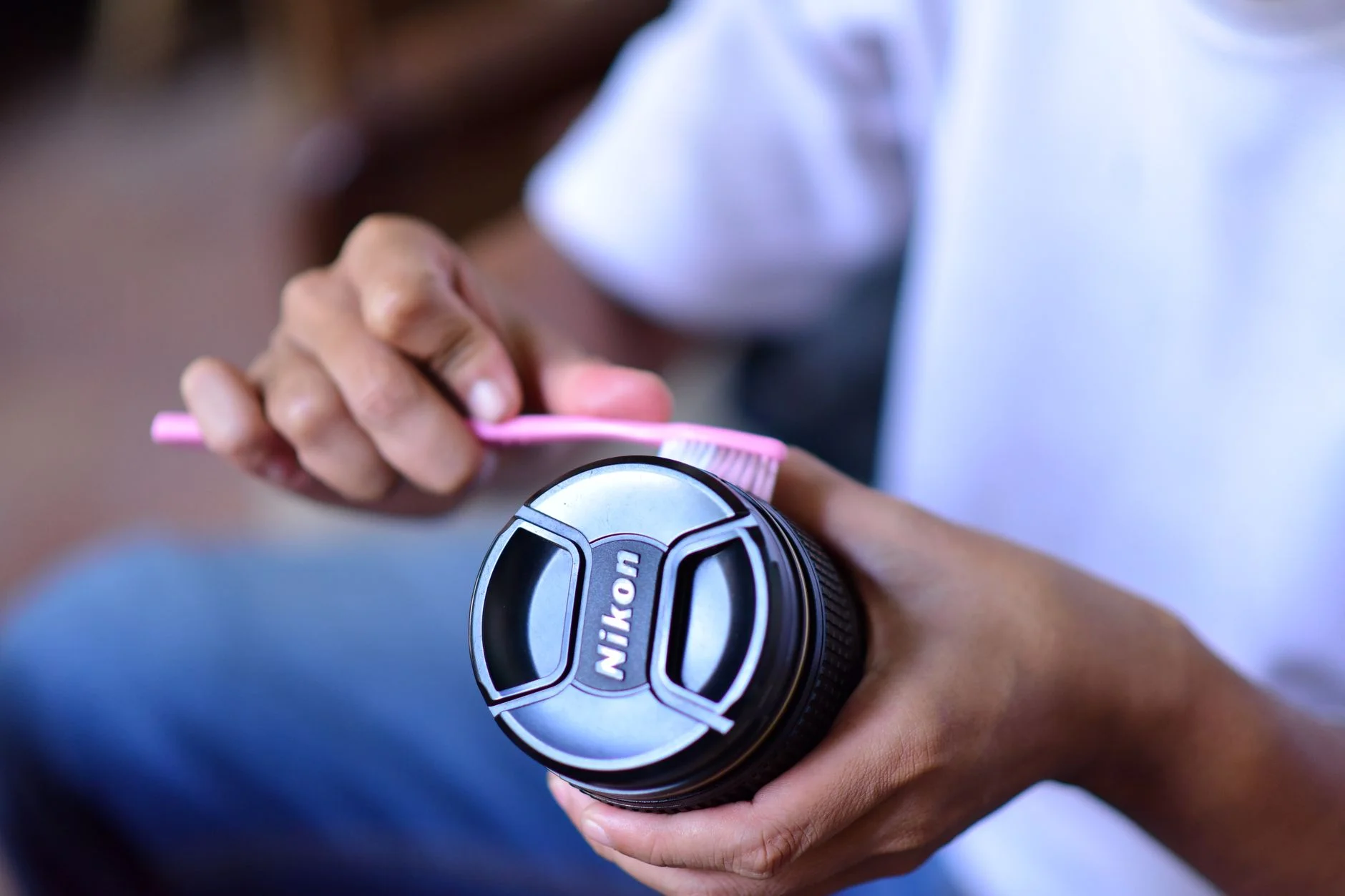
- Use a clean, dry microfiber cloth. The cloth must be the optical-grade microfiber type (not cleaning rags or eyeglass cloths from cheap shops). Pakistan’s lens cleaning cloth market includes many low-quality abrasive fabrics sold as microfiber. Buy from a reputable camera or eyewear shop.
- Wipe in gentle circular motions from centre outward. Do not press hard. The coating is on the surface and heavy pressure can abrade it over time.
- For stubborn smudges (fingerprints, eyelash oils): Breathe gently on the lens to create a light condensation, then immediately wipe with the dry microfiber cloth. The moisture helps lift oils without requiring any chemicals.
- Inspect after cleaning. Tilt the lens in light again to confirm the smudge is gone and no new scratches are visible.
Never rub back and forth in a straight line — circular motions prevent any single scratch from becoming a visible straight line across your field of view.
What NOT to Use on VR Lenses
These materials will damage VR lenses. Many are items that Pakistani users reach for out of habit because they are used on eyeglasses, phone screens, or household glass:
- Paper towels, tissues, newspaper: Paper fibers are abrasive under magnification. They will scratch lens coatings on the first use. Even soft tissue paper is too rough for optical coatings.
- Shirt fabric, dupatta, cotton cloth: Cotton is abrasive. It feels soft but has a rough surface structure at the micro level. Never wipe a VR lens with any fabric that is not purpose-made optical microfiber.
- Windex, glass cleaner, household sprays: These contain ammonia, alcohol concentrations above 90%, and surfactants that dissolve the anti-reflective coating on Fresnel lenses. One spray of Windex can strip the AR coating and permanently change how the lens looks. Do not use any glass cleaner spray on VR lenses.
- Hand sanitizer: Pakistan’s post-COVID habit of keeping hand sanitizer everywhere is a VR headset hazard. Most hand sanitizers are 60–70% alcohol plus glycerin, moisturizers, and fragrances. The glycerin and fragrances leave residue that attracts more dust and is difficult to remove cleanly. Wash your hands before using VR instead.
- Alcohol above 90% concentration on Fresnel lenses: High-concentration alcohol dissolves the plastic of Fresnel ridges and strips coatings. This covers Meta Quest 2, Pico 3 and older headsets, and all PlayStation VR headsets.
- Compressed air cans with propellant: Canned air contains a propellant chemical that, if held at an angle, deposits liquid propellant on the lens. This liquid is very difficult to remove without chemicals. Use a manual bulb blower instead.
Fresnel vs Pancake Lenses — Different Care Rules
The two lens types in current VR headsets have meaningfully different cleaning rules. Knowing which type your headset uses is essential:
Fresnel lenses are used in: Meta Quest 2, Pico 4 (partial), PlayStation VR, PlayStation VR2, HTC Vive Focus, and most budget headsets. Fresnel lenses have concentric ring grooves on their surface (visible when you tilt them in light). These grooves trap dust and are extremely difficult to clean without damage. Rule: dry microfiber only. Never use any liquid including alcohol. Even water can leave residue in the grooves that is nearly impossible to remove without damaging the coating.
Pancake lenses are used in: Meta Quest 3, Meta Quest 3S, Meta Quest Pro. Pancake lenses are flat and smooth, with no surface grooves. They are more durable against cleaning agents. Rule: 70% isopropyl alcohol on a microfiber cloth is acceptable sparingly — meaning once every few weeks for heavy smudges, not as a routine cleaning method. Let the cloth absorb the alcohol so it is barely damp, not wet. Never spray liquid directly onto any lens.
Storage in Pakistani Conditions
Correct storage in Pakistan requires protecting against heat, dust, humidity, and light simultaneously. The following rules apply year-round but are especially critical during May–August when temperatures are extreme:
- Always use the lens cover when the headset is not in use. Every major headset comes with a cover. If yours is lost, replacements are available on Daraz for PKR 300–800.
- Store in an air-conditioned room or at minimum a cool, shaded interior room. Never in a garage, storage room, or anywhere the temperature exceeds 35°C regularly.
- Never store in a car. Pakistani car interiors reach 70–80°C in summer sun. This temperature warps lens housings, degrades battery cells (a separate hazard), and melts the foam facial interface. A 30-minute errand with the headset left in the car on a summer day can destroy it.
- Use silica gel packets inside the storage case during monsoon season (July–September) and in humid coastal cities. These absorb moisture and prevent condensation from forming inside the headset. Silica gel sachets are available at Daraz or any packaging supplies store for PKR 50–200 for a pack of ten.
- Store lens-side up or with cover on — never face down on a surface, as pressure on the lenses for extended periods can warp them.
Condensation Risk — Moving from AC to Outdoors in Pakistan
Pakistani summers create an extreme temperature differential between air-conditioned interiors (18–22°C) and outdoor environments (40–48°C). When you move from a cold AC room to a hot outdoor environment while wearing or carrying the headset, moisture in the hot outdoor air condenses on the cold lens surfaces — exactly like the outside of a cold glass on a hot day.
This condensation is problematic because: water droplets on the lens surface act as micro-lenses that can focus sunlight into additional burn points, moisture can seep into the lens assembly and promote fungal growth on internal optical surfaces over time, and wiping condensation off with a cloth risks micro-scratching the wet coating.
The correct procedure: When moving from AC to outdoors, put the headset in its case first and let it sit for 5–10 minutes before opening. This allows the temperature to equalize gradually without sudden condensation. Similarly, bringing the headset from a hot outdoor environment into a cold AC room should involve the same waiting period before use.
Lens Inserts for Glasses Wearers in Pakistan
A significant percentage of VR users in Pakistan wear prescription glasses. Pakistani optical care is improving but remains less accessible and affordable than in developed countries, meaning more young users continue to need glasses. Wearing glasses inside a VR headset creates several problems: the glasses arms can leave pressure marks on the headset foam, the glasses lenses rub against the VR lenses causing scratches, and the interpupillary distance (IPD) setting is harder to optimize with glasses frames in the way.
The solution is prescription VR lens inserts — custom-cut magnetic lenses that clip onto the inside of the headset directly over the VR lenses, eliminating the need to wear glasses while in VR. For Meta Quest 3 specifically, this is particularly valuable: the pancake lenses sit much closer to the eye than Fresnel systems, making glasses-wearing more uncomfortable.
Lens inserts are available internationally through companies like Zenni Optical (ships to Pakistan via forwarding services) and locally via custom optical workshops in Lahore and Karachi who can cut inserts for standard Meta Quest 3 mounts. Daraz also lists generic prescription insert sets priced PKR 2,000–4,000 though prescription-specific options require custom ordering.
Recommended Lens Care Products Available in Pakistan
Universal VR Lens Protector (Tempered Glass Cover)
A tempered glass or film lens protector fits over each VR lens and absorbs scratches and smudges before they reach the actual lens coating. Think of it as a screen protector for your phone — the protector gets scratched, the actual lens stays pristine. Universal fit covers work for Meta Quest 2 and Quest 3 and are cut to the lens diameter. In dusty Pakistani environments, a lens protector is strongly recommended as a first line of defence. When the protector gets scratched beyond cleaning, replace it for PKR 800–1,500 rather than facing a PKR 22,000+ lens replacement.
Pros
- Protects original lens from dust abrasion and scratches
- Replaceable cheaply when worn — PKR 800–1,500
- Available on Daraz with local shipping
- Easy to apply and remove without tools
Cons
- Low-quality covers can slightly reduce image sharpness
- Requires careful bubble-free application
- Universal fit may not align perfectly on all headset models
Optical Microfiber Cleaning Kit
A proper optical microfiber cleaning kit includes multiple cloths (at least two or three so you always have a clean one), a bulb blower for dust removal before wiping, and a storage pouch to keep the cloths dust-free between uses. Camera shops in Lahore and Karachi carry professional versions, but Daraz listings in the PKR 200–500 range provide serviceable quality for regular VR lens care. Replace cloths every 3–4 months or when they show any discolouration, as absorbed grime becomes abrasive.
Pros
- The only safe cleaning material for all VR lens types
- Very affordable — no reason not to have multiple cloths
- Bulb blower handles dust safely without touching the lens
- Available from Daraz and local camera shops
Cons
- Cheap Daraz cloths vary in quality — inspect before using
- Must be kept clean between uses or they become ineffective
Prescription Lens Inserts for Meta Quest 3
Prescription lens inserts for Meta Quest 3 are magnetic clip-on lenses that attach directly to the inside of the Quest 3’s lens housing. They allow users to see clearly in VR without wearing glasses, eliminating the glasses-touching-lenses scratch risk entirely. Generic sets on Daraz cover common prescriptions (myopia up to -6.0 dioptre); custom prescriptions require ordering from specialist optical services. For Pakistani users who need specific prescriptions beyond standard ranges, optical workshops in Lahore’s Anarkali or Karachi’s Saddar area can often fabricate custom inserts using standard Quest 3 magnetic frames ordered separately.
Pros
- Eliminates glasses-on-lenses scratching entirely
- More comfortable than wearing glasses inside the headset
- Enables better IPD adjustment without glasses frame interference
- Magnetic attachment — quick to add and remove
Cons
- Generic Daraz versions limited to common prescription ranges
- Custom prescriptions require additional sourcing and lead time
- Quest 3 specific — different inserts needed for Quest 2
VR Headset Hard Case
A hard EVA or polycarbonate carry case provides complete protection for your VR headset during storage and transport. In Pakistani conditions, a hard case serves two critical functions: it physically protects the headset from dust ingress during storage (particularly important during pre-monsoon dust season), and it provides a safe temperature buffer during transport — the case insulates the headset from rapid temperature changes between AC environments and outdoor heat. Cases designed for Meta Quest 2 and Quest 3 include pre-cut foam inserts that hold the headset, controllers, charging cable, and accessories in fixed positions preventing movement during transport.
Pros
- Complete dust and impact protection during storage
- Temperature buffer during transport in Pakistani summer
- Organized storage for all accessories in one place
- TSA-approved versions available for air travel
Cons
- Bulky — not practical as daily grab-and-go storage
- PKR 3,000–6,000 is a significant additional cost
- Headset-specific cases required — Meta Quest 3 case does not fit Quest 2
Key Rules Summary for Pakistan
The most important rules for VR lens care in Pakistan are: never let sunlight near the lenses even for a moment, always keep the lens cover on when not wearing the headset, clean with dry optical microfiber only (and 70% IPA sparingly for Quest 3 pancake lenses), never use household glass cleaners or paper materials, store in a cool dry place away from heat and humidity, and use a hard case for transport. Spending PKR 1,000–2,000 on a lens protector, cleaning cloths, and lens cover is the best headset insurance available in Pakistan given the climate risks.